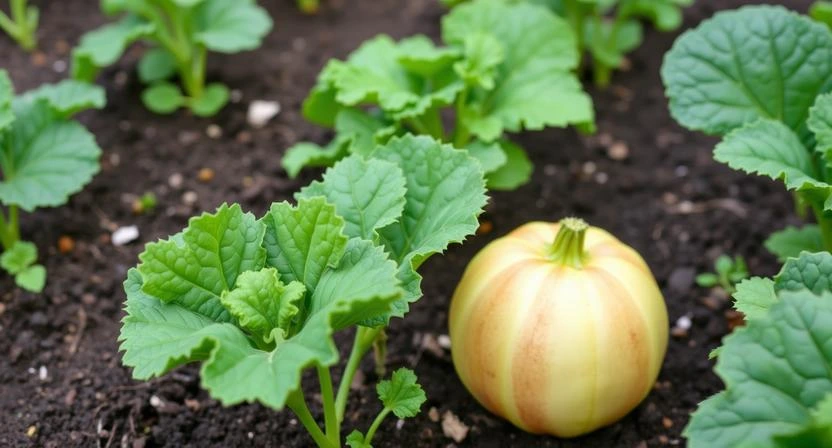
How to Start a Vegetable Garden in Your Backyard: A Beginner’s Guide
Starting a vegetable garden in your backyard is one of the most rewarding ways to enjoy fresh, healthy food. Whether you're hoping to grow tomatoes, leafy greens, or your favorite herbs, a backyard garden lets you enjoy delicious harvests right from home.
This step-by-step guide will show you exactly how to set up, plant, and maintain a thriving vegetable garden—even if you're a complete beginner.
1. Choose the Best Location
Vegetables need lots of sunlight and good soil. Choose a spot in your backyard that gets:
-
6–8 hours of direct sunlight per day
-
Good drainage (no standing water after rain)
-
Easy access to water
Avoid areas shaded by buildings, trees, or fences.
2. Decide What to Grow
Start with vegetables that are easy and reliable for beginners, such as:
-
Tomatoes
-
Cucumbers
-
Lettuce and spinach
-
Carrots
-
Green beans
-
Zucchini
-
Peppers
-
Basil and mint
Choose vegetables you actually enjoy eating—this keeps you motivated.
3. Plan Your Garden Layout
You can grow vegetables in different styles depending on your space:
➤ In-ground garden beds
Great for large backyards.
➤ Raised garden beds
Perfect for better soil control, easier maintenance, and fewer weeds.
➤ Container gardening
Ideal for small spaces or patios.
Make sure taller plants (like tomatoes and corn) don’t block sunlight from shorter ones.
4. Prepare the Soil
Healthy soil = healthy vegetables.
Here’s how to get your soil ready:
-
Remove grass, rocks, and weeds
-
Loosen the soil about 8–12 inches deep
-
Mix in compost or organic matter to improve nutrients
-
Test your soil’s pH (ideal pH is 6.0–7.0 for most vegetables)
Good soil makes a huge difference in your garden’s success.
5. Start Planting
Once your soil is ready, you can start planting seeds or seedlings.
Planting Tips:
-
Follow spacing guidelines on seed packets
-
Plant deeper-rooted crops (like carrots) directly from seeds
-
Use seedlings for tomatoes, peppers, and herbs for faster results
-
Water gently after planting
Make sure each plant has enough room to grow.
6. Water Regularly and Wisely
Vegetables need consistent moisture, especially during their growth stage.
Watering best practices:
-
Water deeply 2–3 times per week (depending on weather)
-
Water early in the morning to prevent evaporation
-
Avoid getting leaves wet to reduce disease
Mulching around plants helps keep soil moist.
7. Use Mulch to Control Weeds
Mulch is a beginner gardener’s best friend. Use straw, wood chips, or leaves to:
-
Reduce weeds
-
Keep soil cool
-
Prevent water loss
-
Add nutrients to the soil as it decomposes
A 2–3 inch layer is perfect.
8. Feed Your Plants Naturally
To boost growth, feed your vegetables with natural fertilizers like:
-
Compost
-
Worm castings
-
Fish emulsion
-
Organic vegetable fertilizer
Avoid over-fertilizing—too much can damage plant roots.
9. Protect Your Garden from Pests
Common pests include insects, rabbits, and birds.
Natural pest control ideas:
-
Use netting or fencing
-
Attract ladybugs and bees
-
Plant marigolds to deter pests
-
Handpick harmful insects when possible
Avoid chemical pesticides—they can harm beneficial insects.
10. Harvest at the Right Time
The best part of gardening is harvesting! Pick vegetables when they’re ripe but still firm.
Examples:
-
Tomatoes: Deep color and slightly soft
-
Lettuce: Crisp and green
-
Cucumbers: Firm and medium-sized
-
Carrots: Tug gently—if they feel thick, they’re ready
Harvesting regularly encourages more growth.
Final Thoughts
Starting a vegetable garden in your backyard is easier than you think. With sunlight, good soil, regular watering, and a little attention, you’ll be enjoying homegrown vegetables in no time. Gardening is relaxing, enjoyable, and rewarding—and your backyard can become a fresh food paradise!