How to Make a Butterfly Garden: A Step-by-Step Guide for Beginners
Summary
Creating a butterfly garden is simple and rewarding. By choosing a sunny location, planting nectar and host plants, providing water and shelter, and avoiding chemicals, beginners can easily attract butterflies. Even small gardens or pots can become a safe haven for these beautiful insects.
Butterflies are not only beautiful to watch, but they also play an important role in pollination and maintaining a healthy ecosystem. Creating a butterfly garden is a wonderful way to support nature while adding color and life to your home. The best part is that you don’t need a large space or expert gardening skills to get started. This step-by-step guide will help beginners create a butterfly-friendly garden easily diy butterfly garden.
What Is a Butterfly Garden?
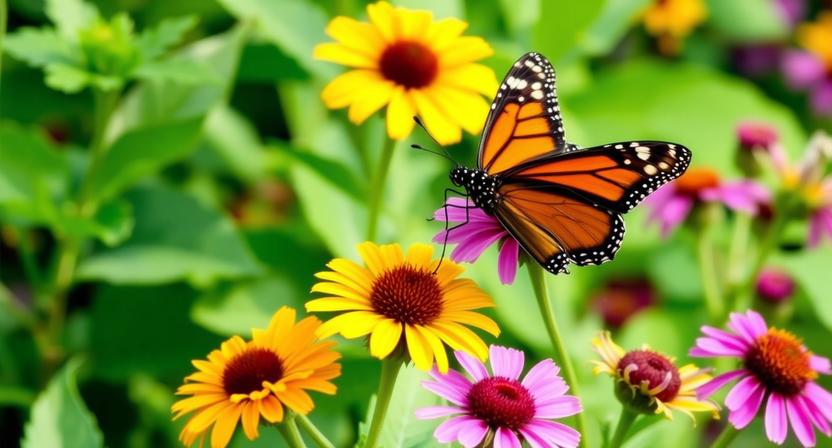
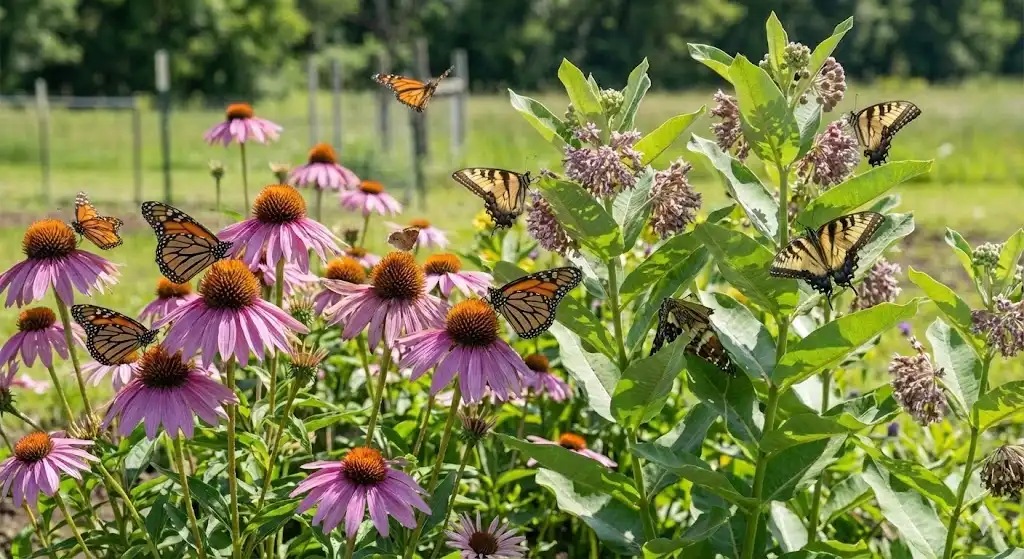
A butterfly garden is a special type of garden designed to attract and support butterflies throughout their life cycle. It includes nectar-rich flowers for adult butterflies and host plants where butterflies can lay eggs and caterpillars can grow. A well-planned butterfly garden provides food, water, shelter, and a safe environment.
Step 1: Choose the Right Location
Butterflies love sunlight. Select a spot in your garden that receives at least 6 to 8 hours of direct sunlight each day. The area should also be protected from strong winds. If you don’t have a yard, you can create a butterfly garden on a balcony, terrace, or even in pots.
Step 2: Select Butterfly-Friendly Plants
Plants are the heart of a butterfly garden. You need two types of plants:
Nectar Plants (for adult butterflies)
These plants provide food:
-
Milkweed
-
Lantana
-
Zinnia
-
Lavender
-
Sunflower
Host Plants (for caterpillars)
These allow butterflies to lay eggs:
-
Milkweed (for Monarch butterflies)
-
Parsley
-
Dill
-
Fennel
Using native plants is best because local butterflies recognize them easily.
Step 3: Prepare the Soil
Healthy soil helps plants grow strong and produce more flowers. Use well-drained soil mixed with organic compost. Avoid chemical fertilizers, as they can harm butterflies and caterpillars. Natural compost and organic manure are safer choices.
Step 4: Add a Water Source
Butterflies need water but cannot drink from deep sources. Create a shallow water area using:
-
A shallow dish with water and stones
-
A small muddy patch (called a “puddling” area)
This helps butterflies stay hydrated and healthy.
Step 5: Provide Shelter and Resting Spots
Butterflies need places to rest and hide from predators. You can add:
-
Flat stones for sunbathing
-
Logs, shrubs, or tall grasses for shelter
-
Small trees for shade
Step 6: Avoid Chemicals
Pesticides and insecticides can kill butterflies and caterpillars. Instead, use natural pest control methods like:
-
Removing pests by hand
-
Using neem oil (only when necessary)
-
Encouraging birds and beneficial insects
Step 7: Maintain Your Butterfly Garden
Water plants regularly and remove weeds. Trim plants gently and avoid disturbing caterpillars. With time and care, butterflies will start visiting and even breeding in your garden.
Final Thoughts
A butterfly garden is more than just a garden—it’s a step toward protecting nature. Watching butterflies grow from caterpillars and flutter among flowers is a joyful experience for all ages. With patience and care, your garden will soon become a lively, colorful space that supports biodiversity and brings peace to your home.
Frequently Asked Questions (FAQs)
1. What is a butterfly garden?
A butterfly garden is a garden designed to attract and support butterflies by providing nectar plants, host plants, water, and shelter throughout their life cycle.
2. How much space do I need to make a butterfly garden?
You don’t need a large space. A butterfly garden can be created in a backyard, balcony, terrace, or even in small pots and containers.
3. Which plants attract butterflies the most?
Butterflies are attracted to nectar-rich flowers like milkweed, lantana, zinnia, lavender, sunflowers, and marigolds. Native plants work best.
4. How long does it take to attract butterflies?
You may start seeing butterflies within a few weeks, especially during warm seasons. However, creating a healthy butterfly habitat may take a few months.
5. Do butterfly gardens require a lot of maintenance?
No, butterfly gardens are generally low maintenance. Regular watering, occasional pruning, and avoiding chemicals are usually enough.
6. Can I use pesticides in a butterfly garden?
No. Pesticides and insecticides can harm or kill butterflies and caterpillars. Use natural or organic pest control methods instead.
7. What season is best for starting a butterfly garden?
Spring and early summer are the best times to start a butterfly garden because butterflies are most active during warm months.
8. Can children help with a butterfly garden?
Yes! Butterfly gardening is a great educational activity for children. It helps them learn about nature, insects, and environmental care.